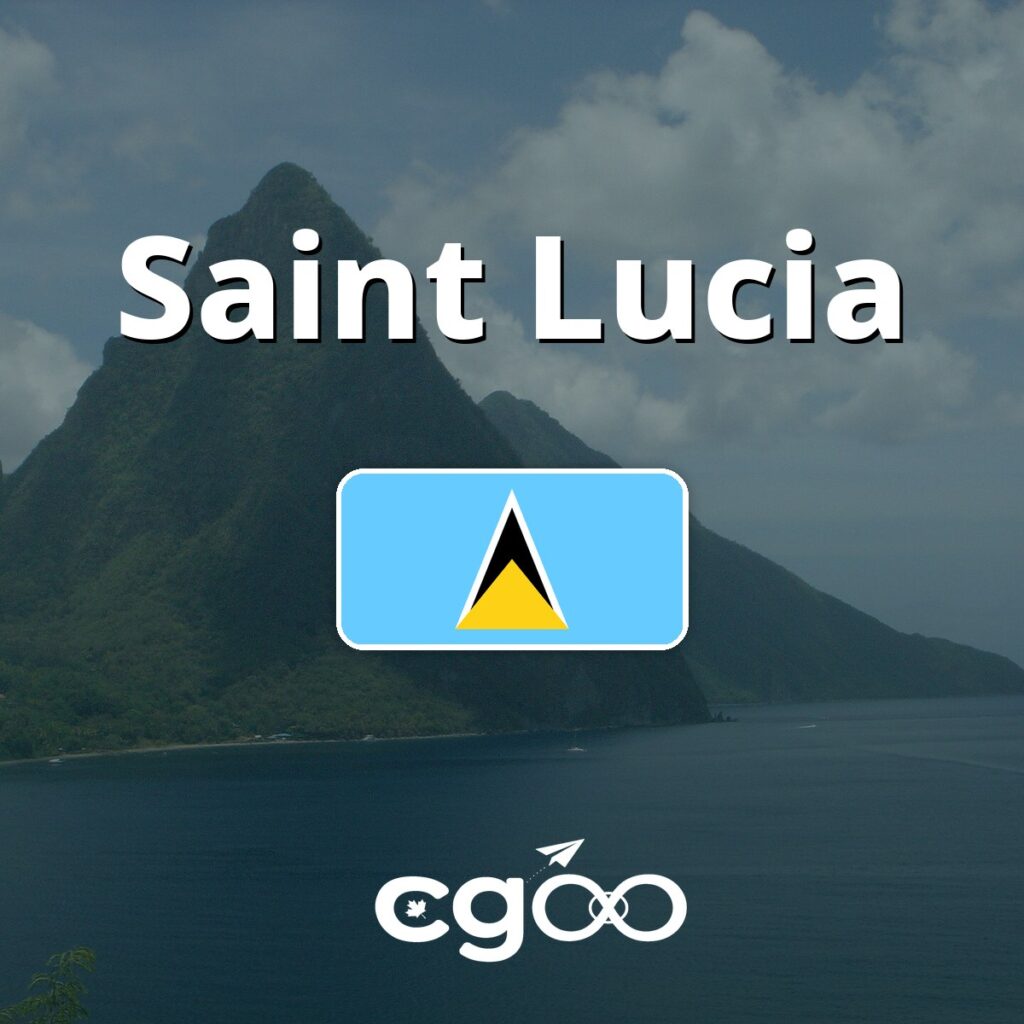
Saint Lucia

Saint Lucia
Saint Lucia🇱🇨

Showing all 19 results

Traveling to Saint Lucia? Land Connected.

Saint Lucia pairs the Pitons with drive-through volcano roads, reef snorkelling and Friday-night street food — and getting between them means taxis, minibuses and winding coastal roads, so install your CGOO eSIM before you fly and you connect the moment you land, with maps and taxi numbers in your pocket from the start.

Choose the Plan That Fits Your Trip

  • Fixed data or unlimited: pick from the plan grid above by trip length and data use — fixed-data plans for maps, messaging and light browsing, unlimited plans if you stream or hotspot all day.
  • Instant delivery: your QR code and installation link are emailed within minutes of checkout. Install before your flight; validity starts on the plan's start date, not on installation.
  • Good to know: your phone must support eSIM (dial *#06# and look for an EID), and your 15-digit IMEI is required at checkout so your eSIM can be provisioned.

Travel Highlights

  • The Pitons: Gros Piton and Petit Piton rising straight out of the sea at Soufrière — hike Gros Piton with a guide or admire both from the water.
  • Sulphur Springs: the drive-in volcano at Soufrière, with mud baths and hot springs nearby.
  • Marigot Bay: the sheltered, palm-fringed bay that is one of the Caribbean's classic anchorages, best seen by boat.
  • Rodney Bay and Reduit Beach: the north's resort strip, with calm swimming, restaurants and sunset sailing.
  • Pigeon Island National Landmark: the causeway-linked island with fort ruins, trails and views over Rodney Bay.

Getting Around

  • Airports: Hewanorra International Airport (UVF) in the south is the main international gateway; George F. L. Charles Airport (SLU) near Castries handles regional flights. The drive between the two takes about 90 minutes.
  • Ride-hailing — no Uber or Lyft claimed: sources conflict on whether Uber operates here, so no app is promised; the Caribbean ride app Allez lists Saint Lucia among its islands. Otherwise use licensed taxis — look for the light-blue TX number plates.
  • Taxis and minibuses: taxis are not metered, so agree the fare before you set off; minibuses run set routes and are the cheapest way around, though less predictable.
  • Driving: driving is on the left, and the coastal roads are winding and steep in places — take your time, especially after rain.

Safety and Practical Tips

Saint Lucia is generally welcoming for visitors, but take the usual island precautions: keep valuables out of sight, avoid isolated beaches and poorly lit areas after dark, and use hotel-arranged or licensed taxis at night.

Tap water is generally considered safe in resort areas, but bottled water is the safer default elsewhere; pack reef-safe sunscreen and insect repellent, and take care on wet trails around the Pitons and waterfalls.

Entry and Visa

Entry rules for Saint Lucia depend on your passport — check the requirements for your nationality before you fly, and keep your return ticket and accommodation details handy.

Weather and Climate

  • Year-round warmth: daytime temperatures sit around 27–30°C all year, with cooler nights in the hills.
  • Dry season (December–May): the most reliable sunshine and the busiest months for sailing and hiking.
  • Wet season (June–November): short, heavy showers and the Atlantic hurricane season — check forecasts and travel insurance before booking.
  • What to pack: light layers, a rain jacket for the wet months, and sturdy shoes for the Piton trails.

Money and Payments

  • Currency: the East Caribbean dollar (XCD); US dollars are widely accepted in tourist areas, and change is often given in XCD.
  • Cards: major cards are widely accepted at hotels, resorts and larger restaurants; carry cash for taxis, minibuses, markets and small beach bars.
  • Wise: Wise cards work wherever Visa or Mastercard is accepted; no local-currency balance is claimed here.
  • Cash tip: ATMs are common in Castries and Rodney Bay but scarcer in the south — withdraw before heading to Soufrière.