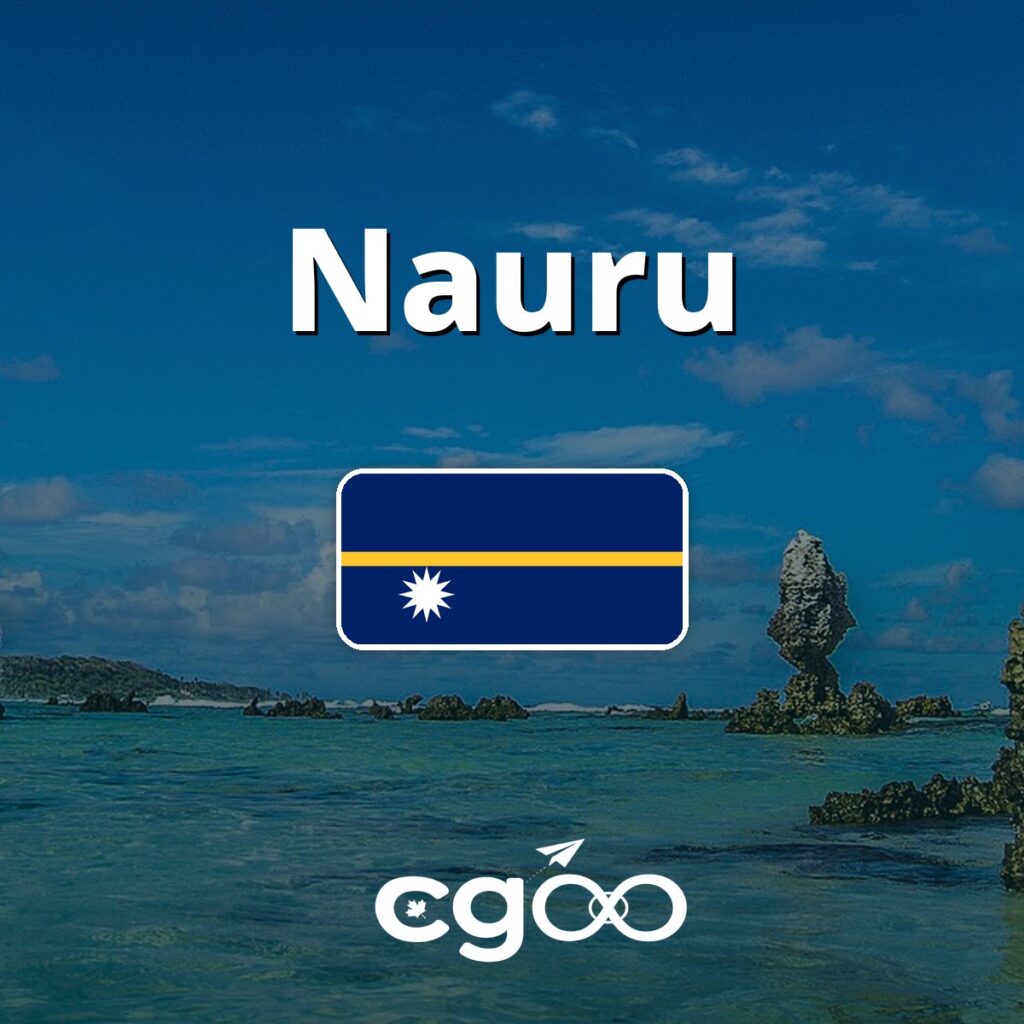
Nauru

Nauru
Nauru🇳🇷

Showing all 14 results

Traveling to Nauru? Land Connected.

Nauru is the world's smallest island nation — a single ring road around a raised coral island, one bay safe for swimming, and a phosphate-mining past written into the landscape. Data from touchdown makes it easy: maps for the ring road, bookings for the few hotels and tours, and messages home from one of the least-visited countries on earth, all without hunting for a SIM shop on arrival.

Choose the Plan That Fits Your Trip

  • Fixed data or unlimited: pick from the plan grid above by trip length and data use — fixed-data plans for maps, messaging and light browsing, unlimited plans for heavy video, navigation and hotspot use.
  • Instant delivery: your QR code and installation link are emailed within minutes of checkout. Install before your flight; validity starts on the day you activate.
  • Good to know: your phone must support eSIM (dial *#06# and look for an EID), and your 15-digit IMEI is required at checkout so your eSIM can be provisioned.

Travel Highlights

  • Anibare Bay: the island's best beach — a sandy bay on the east coast, and the one place where swimming is generally safe, with care for sudden drop-offs and currents.
  • Buada Lagoon: the island's only freshwater lagoon, ringed by palms in the Buada district — a quiet stop on a ring-road circuit.
  • Command Ridge: the highest point on the island and a Second World War site, with rusting guns and views over the island and the reef.
  • Moqua Well: a small underground lake in the Yaren district, reached by ladder — a curiosity on the island's short list of sights.
  • Topside pinnacles: the coral pinnacles left by phosphate mining across the island's interior plateau — stark, otherworldly and best seen on a guided drive.

Getting Around

  • Airport to the hotel: Nauru International Airport (INU) is tiny and close to everything; hotels usually arrange pickup, and the whole island is a short drive away.
  • Getting around: the island's road network is essentially a single ring road of about 19 km, plus a few interior roads. A community bus runs around the island during the day, and the ring road is walkable if you carry water — the heat makes any walk more demanding than the map suggests.
  • Ride-hailing — not available: there is no ride-hailing app in Nauru. Arrange a rental car or transport through your hotel in advance, agree the fare clearly before use, and expect no metered standard to fall back on.
  • Rental cars: small numbers of cars are rented privately or through hotels — book before you arrive, as walk-up availability is not guaranteed.

Safety and Practical Tips

Nauru is very quiet and crime is low, but the island has real practical risks: most of the coastline is jagged coral with dangerous undertows, so swim only at Anibare Bay and follow local advice. Tap water is not safe to drink — use bottled water for drinking and brushing teeth. Medical facilities are basic, so comprehensive travel insurance with medical evacuation cover is strongly recommended.

Heat and humidity are high year-round, and the island's shops are stocked for residents rather than visitors — bring sunscreen, a hat, water and any essentials you need. Sundays are strictly observed as a day of rest, so plan around closures and dress modestly outside swimming areas.

Entry and Visa

Visa rules depend on your passport. Nauru requires most visitors to arrange a visa in advance, and visitor numbers are very small — confirm the current requirements and your flight and hotel bookings well ahead of travel, and make sure your passport is valid for at least six months beyond your stay.

Weather and Climate

  • Hot and humid all year: daytime temperatures usually in the high 20s to low 30s Celsius, with rain possible in any month.
  • Wettest months: November to February tends to be the wettest stretch; the rest of the year is generally drier but still humid.
  • What to pack: light, breathable clothes, reef shoes, sunscreen, a hat, bottled water and a power bank — charging and connectivity options on the island are limited.

Money and Payments

  • Currency and cards: Australian dollars (AUD). Nauru runs largely on cash — cards work at the main hotel but almost nowhere else, so bring cash reserves in Australian dollars.
  • WISE and similar travel cards — yes, supported: the Wise card works in Nauru wherever Visa or Mastercard is accepted, and a Wise AUD balance means you spend Australian dollars without converting each time. Similar multi-currency cards, such as Revolut, work the same way on the Visa/Mastercard network. Withdraw what you need before arrival where possible, as there is no reliable way to access foreign card funds once on the island.
  • Cash tips: bring Australian dollar cash with you — there is no reliable ATM network for foreign cards on the island, and always choose to pay in Australian dollars (local currency) if a terminal offers to convert to your home currency.
  • Tipping: not expected.