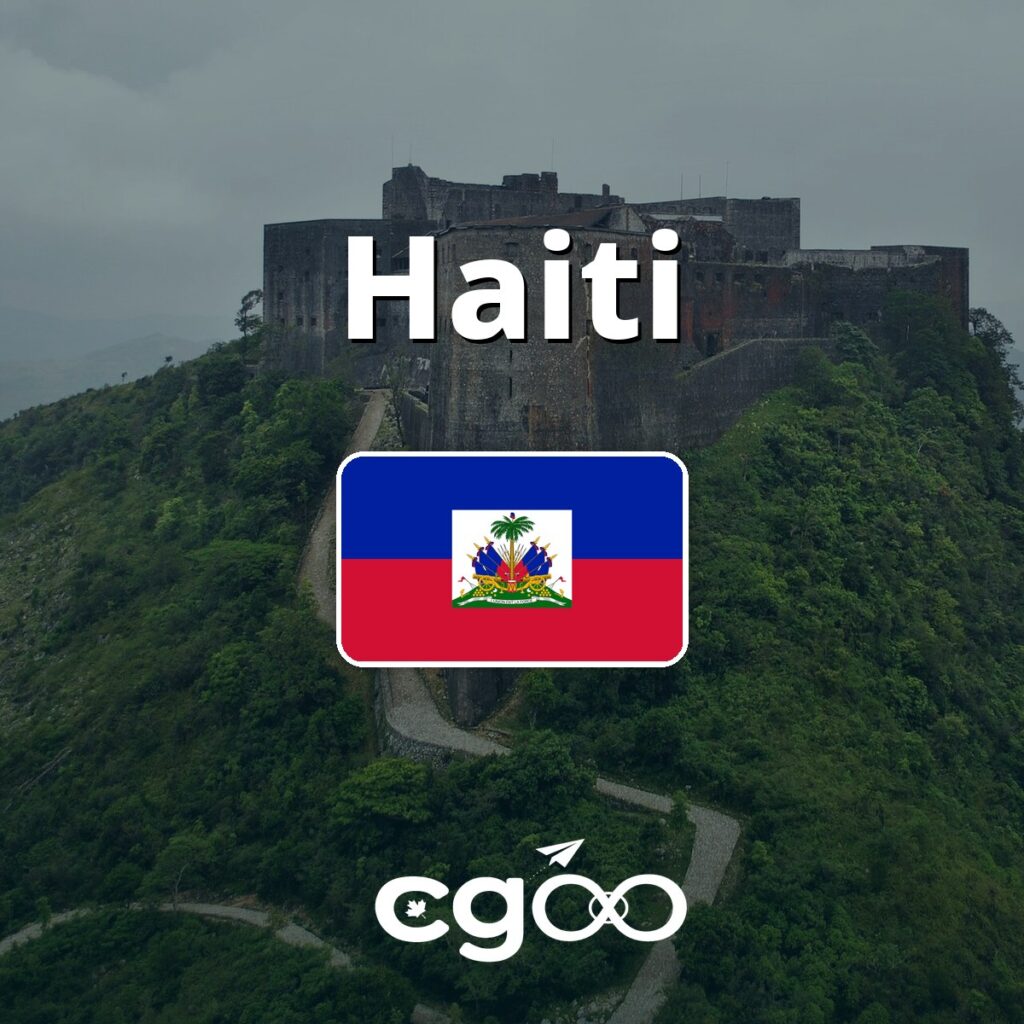
Haiti

Haiti
Haiti🇭🇹

Showing all 19 results

Traveling to Haiti? Read This First.

Haiti is in a severe security crisis, and multiple governments currently advise against all travel there. This page is for people who must travel for essential reasons — it does not encourage tourism. If your trip is not essential, postpone it; if it is essential, check your government's current advice before you book, travel only with professional security arrangements, and keep a working data connection for emergency contact.

Choose the Plan That Fits Your Trip

  • Fixed data or unlimited: pick from the plan grid above by trip length and data use — fixed-data plans for maps, messaging and light browsing, unlimited plans for heavy use and hotspotting.
  • Instant delivery: your QR code and installation link are emailed within minutes of checkout. Install before your flight; validity starts on the day you activate.
  • Good to know: your phone must support eSIM (dial *#06# and look for an EID), and your 15-digit IMEI is required at checkout so your eSIM can be provisioned.

Travel Highlights

  • Citadelle Laferrière: the mountaintop fortress above Cap-Haïtien, built after independence — Haiti's most famous historic site, visited only when conditions allow and with local security advice.
  • Sans-Souci Palace: the ruined royal palace near Milot, part of the same historic park as the Citadelle.
  • Jacmel: the southern coastal town known for its French-colonial architecture, papier-mâché carnival arts and nearby beaches.
  • Cap-Haïtien: the historic northern city, gateway to the Citadelle and to the beaches of Labadee and the north coast.
  • Iron Market, Port-au-Prince: the landmark market of the capital, a symbol of Haitian commerce and craftsmanship — currently in an area affected by the security crisis.

Getting Around

  • Airports: Toussaint Louverture Airport (PAP) serves Port-au-Prince, and Cap-Haïtien (CAP) the north. Flight operations have been disrupted by violence around the capital, so confirm flights directly with the airline before travelling.
  • Ride-hailing — not a safe option: no international ride-hailing app is a safe transport option for visitors in Haiti under current conditions. Do not rely on street taxis or public tap-taps; essential travel should use vetted, pre-arranged transport with professional security support.
  • Road travel: roads between cities, including the Port-au-Prince to Cap-Haïtien route, have been subject to gang checkpoints and armed robbery — overland travel without security arrangements is extremely dangerous and should not be attempted.
  • Borders: land and sea borders with the Dominican Republic remain closed to travellers; only the air border has reopened, so do not plan a land crossing.

Safety and Practical Tips

Canada advises against all travel to Haiti due to kidnappings, gang violence and the potential for civil unrest throughout the country, and other governments issue equivalent warnings. Armed gangs control large parts of Port-au-Prince, kidnapping for ransom affects Haitians and foreigners alike, and a state of emergency is in effect in the departments of Ouest, Artibonite and Centre.

Travel insurance may not cover trips made against official advice, and emergency services, hospitals and the airport have all been severely disrupted. If you are in Haiti, register with your embassy, keep documents secure, avoid all movement after dark, and follow official alerts — this is not a destination for independent tourism.

Entry and Visa

Entry rules depend on your passport, and border conditions change with the security situation. Land and sea borders with the Dominican Republic remain closed to travellers, so entry is effectively by air only; always check your government's current advice and the latest entry requirements for your nationality before you book, and make sure your passport is valid well beyond your trip.

Weather and Climate

  • Tropical and warm: coastal temperatures sit broadly around 28–32°C all year, with cooler air in the mountains — but weather is not the reason to plan a trip right now; security conditions are.
  • Wet season: May to October brings heavier rain, and June to November is hurricane season — storms can further disrupt transport, power and water in an already fragile situation.
  • Mountains: the interior highlands are cooler and wetter than the coast, with mist and rain common on higher ground.
  • What to pack for essential travel: cash in small notes, a charged phone with a data connection, copies of documents kept separately from originals, and any medication you need — supplies cannot be relied on locally.

Money and Payments

  • Currency: the gourde (HTG) is the local currency. Cash is essential — card acceptance is very limited and unreliable under current conditions, and no Wise claim is made here.
  • US dollars: US dollars are sometimes accepted, but do not rely on them alone; carry gourdes in small notes for any purchase.
  • ATMs: ATMs are unreliable and frequently out of service or unsafe to use — carry enough cash for your whole trip and keep it split across different bags.
  • Costs: prices for secure transport, accommodation and services are far higher than normal tourist rates, and emergency extraction, if needed, is extremely expensive — check your insurance position before you travel.