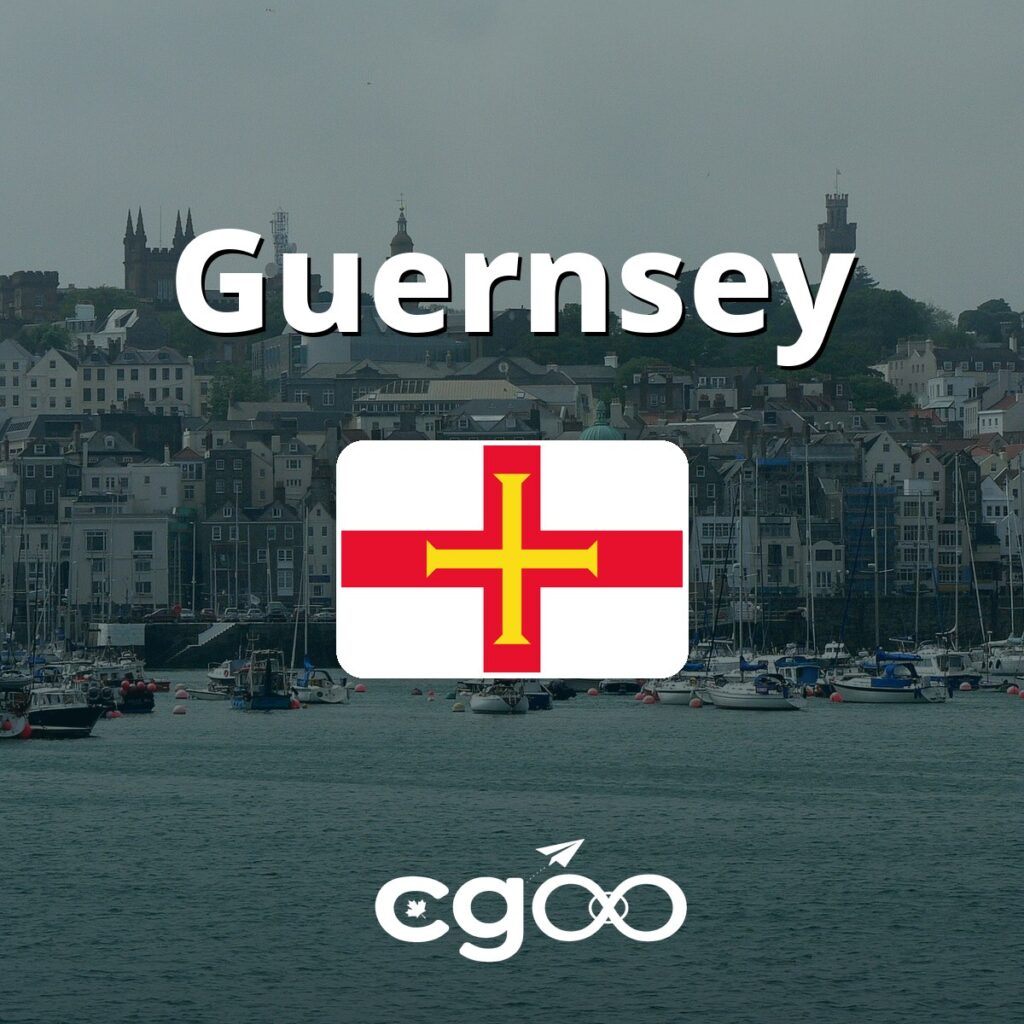
Guernsey

Guernsey
Guernsey🇬🇬

Showing all 30 results

Traveling to Guernsey? Land Connected.

Guernsey is a compact Channel Island of cliff paths, sandy bays and a harbour town built for wandering. Data from touchdown makes it easy: bus times, coastal walk routes and ferry bookings to Herm and Sark, all without hunting for a SIM shop on arrival.

Choose the Plan That Fits Your Trip

  • Fixed data or unlimited: pick from the plan grid above by trip length and data use — fixed-data plans for maps, messaging and light browsing, unlimited plans for heavy video, navigation and hotspot use.
  • Instant delivery: your QR code and installation link are emailed within minutes of checkout. Install before your flight; validity starts on the day you activate.
  • Good to know: your phone must support eSIM (dial *#06# and look for an EID), and your 15-digit IMEI is required at checkout so your eSIM can be provisioned.

Travel Highlights

  • St Peter Port: the harbour, Castle Cornet at the harbour mouth, and the steep lanes and gardens of Candie and Hauteville.
  • Castle Cornet: 800 years of island history, with gardens, museums and a daily noon cannon firing in season.
  • Herm and Sark: car-free day trips by ferry — Herm's Shell Beach and Sark's La Coupée ridge are the island highlights.
  • Coastal walks: cliff paths from St Peter Port to the south coast bays, and the long sandy beaches of the west coast.
  • Occupation history: the German Occupation Museum and La Valette underground military museum tell the island's Second World War story.

Getting Around

  • Ride-hailing — no: Uber and Bolt do not operate in Guernsey. Book local taxis by phone, and expect to wait at busy times — the island is small, so most trips are short.
  • Buses: island buses run from St Peter Port to the main villages and beaches, but services are thin in the evenings and on Sundays.
  • On foot and by bike: St Peter Port is best explored on foot, and bike hire suits the flatter lanes and coastal routes.
  • Ferries: boats to Herm, Sark and Alderney run from St Peter Port harbour; book ahead in summer and check sailings in rough weather.

Safety and Practical Tips

Guernsey is very safe. The main risks are coastal ones: strong tides, slippery rocks and cliff paths with no barriers in places — check tide times before beach walks and keep to marked paths.

Island roads are narrow with high hedges and few pavements outside town, so walk facing traffic and wear something visible after dark.

Entry and Visa

Guernsey is a Crown Dependency, outside the EU and Schengen, and sits in the Common Travel Area with the UK, Ireland, Jersey and the Isle of Man. Entry document requirements depend on your nationality and where you travel from — check the current rules before you travel and carry photo ID.

Weather and Climate

  • Mild and maritime: Guernsey rarely freezes or bakes — winters average around 7°C and summers around 18°C, with sea breezes year-round.
  • Rain: showers are possible any month, and autumn and winter are the wettest; a waterproof jacket is a year-round essential.
  • Summer: the warmest and driest months are June to September, when the beaches and ferry day trips are at their best.
  • What to pack: layers, a windproof jacket and walking shoes for the cliff paths, plus swimwear in summer.

Money and Payments

  • Currency: the pound sterling (GBP). Guernsey issues its own banknotes at par with sterling, and UK notes are also accepted on the island.
  • Cards: cards are widely accepted in town, hotels and larger shops; carry some cash for buses, small cafés and market stalls.
  • Wise and travel cards: cards issued on the Visa or Mastercard networks work wherever cards are accepted.
  • Tipping: not expected, though rounding up a restaurant bill is common.