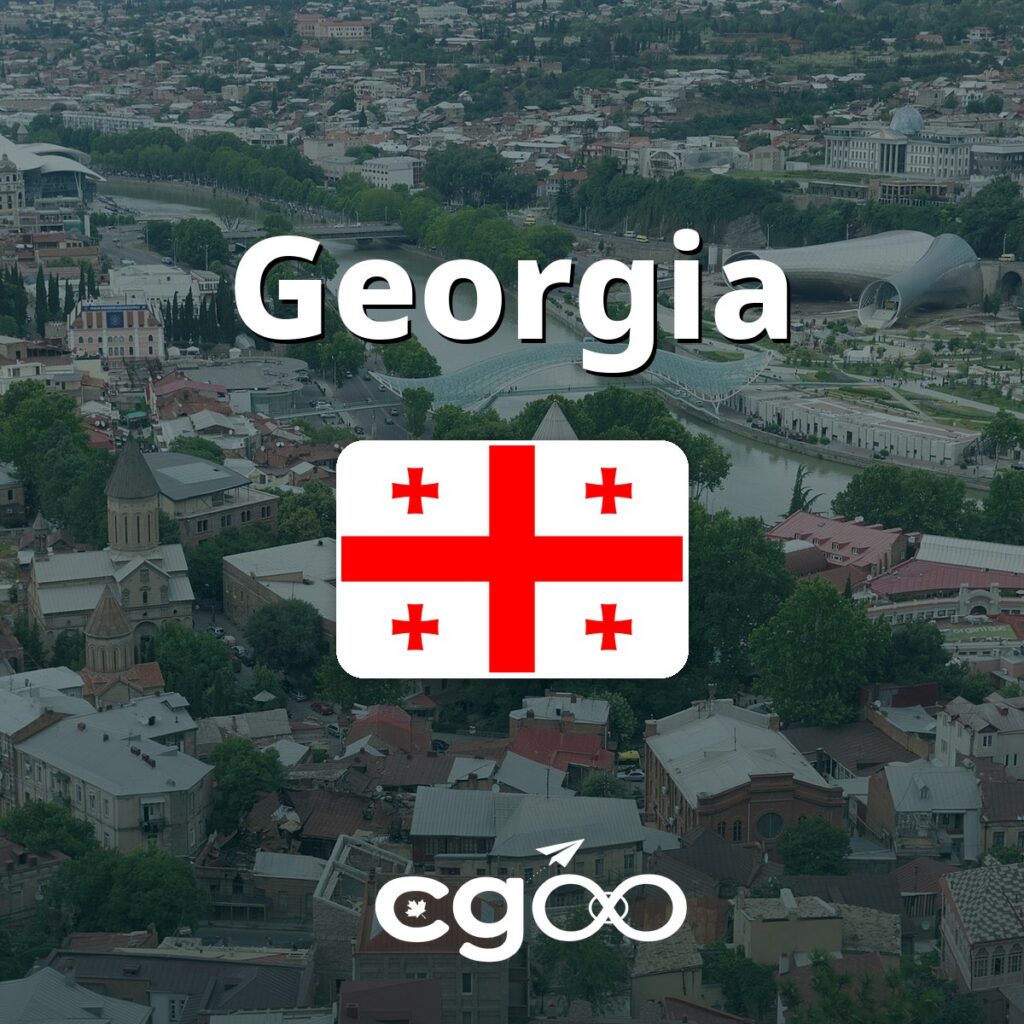
Georgia

Georgia
Georgia🇬🇪

Showing all 31 results

Traveling to Georgia? Land Connected.

Georgia packs a lot into a small country — a walkable old capital, snow-capped mountains, a Black Sea coast and one of the world's oldest wine cultures. With data from touchdown, you can navigate Tbilisi's lanes, book mountain transport and translate menus from the moment you land.

Choose the Plan That Fits Your Trip

  • Fixed data or unlimited: pick from the plan grid above by trip length and data use — fixed-data plans for maps, messaging and light browsing, unlimited plans for heavy video, navigation and hotspot use.
  • Instant delivery: your QR code and installation link are emailed within minutes of checkout. Install before your flight; validity starts on the day you activate.
  • Good to know: your phone must support eSIM (dial *#06# and look for an EID), and your 15-digit IMEI is required at checkout so your eSIM can be provisioned.

Travel Highlights

  • Tbilisi Old Town: the sulphur baths, Narikala Fortress above the Kura River, and the lanes and balconied houses of the historic centre.
  • Kazbegi and Stepantsminda: the Gergeti Trinity Church beneath Mount Kazbek, reached by a mountain road from the capital.
  • Kakheti wine country: vineyard towns such as Telavi and Sighnaghi, in a region where wine has been made in clay qvevri for thousands of years.
  • Batumi: the Black Sea resort city, with a seaside boulevard, botanical garden and a very different, subtropical feel from the mountains.
  • Mtskheta: the ancient former capital near Tbilisi, with Svetitskhoveli Cathedral and the Jvari Monastery above the river junction.

Getting Around

  • Airport to the city: Tbilisi International Airport (Tbilisi) connects to the centre by bus and taxi; the ride into town is around 30 minutes depending on traffic.
  • City transport: Tbilisi has a metro, buses and a cable car to Narikala Fortress; buy a rechargeable travel card at metro stations.
  • Ride-hailing — yes, widely available: Bolt and Yandex Go both operate in Tbilisi and other major cities, and are the easiest way to get a priced ride.
  • Between cities: marshrutkas (shared minibuses) link Tbilisi with Kazbegi, Kakheti and the coast; mountain roads can be slow and winding, so allow extra time.

Safety and Practical Tips

Georgia is generally safe for visitors, including solo travelers. Take normal care against pickpockets in Tbilisi's old town, markets and on crowded transport, and keep valuables out of sight at night.

Do not travel to the Russian-occupied regions of Abkhazia and South Ossetia. In the mountains, check road conditions before you set out — weather can close high passes, and driving standards on rural roads vary.

Entry and Visa

Visa rules depend on your passport. Georgia's visa policy is unusually open: citizens of many countries can enter visa-free for up to a year, while others can apply for an e-Visa online before travel. Check the latest requirements for your passport before you book, and make sure your passport is valid for your whole trip.

Official information: Georgia — e-Visa portal.

Weather and Climate

  • Varied by region: Tbilisi has hot summers and cold winters; the Black Sea coast is mild and humid; the high mountains stay cool even in summer.
  • Best months: May, June, September and October are generally the best for sightseeing — mild, with longer days. July and August are hottest in the lowlands and best for the mountains and the coast; winter brings snow to the high mountains and ski season.
  • What to pack: layers all year, plus a light waterproof jacket and sturdy walking shoes. Summer: light clothes, sunscreen and a hat. Winter and the mountains: a warm coat and good grip on your shoes.

Money and Payments

  • Currency and cards: Georgian lari (GEL). Cards are widely accepted in Tbilisi hotels, restaurants and shops; carry cash for markets, marshrutkas and rural guesthouses.
  • WISE and similar travel cards — yes, supported: the Wise card works in Georgia wherever Visa or Mastercard is accepted. Similar multi-currency cards, such as Revolut, work the same way on the Visa/Mastercard network. Check the card app for current ATM limits and fees before you travel, as these change.
  • Tipping: 10% is a common, appreciated gesture in restaurants where service is not already included; taxi fares are usually rounded up.
  • Cash tips: use ATMs in town rather than airport exchange counters, which usually give worse rates, and always choose to pay in lari (local currency) if a terminal or ATM offers to convert to your home currency.