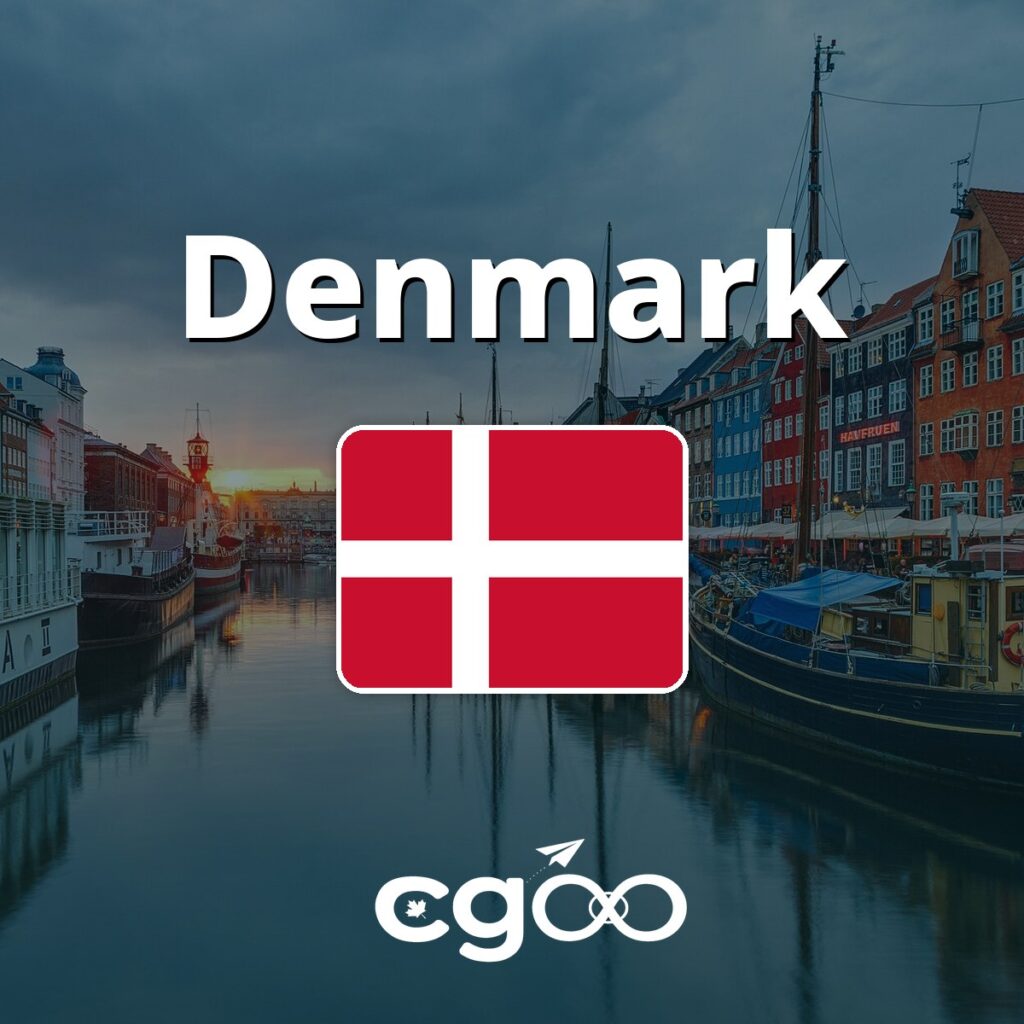
Denmark

Denmark
Denmark🇩🇰

Showing all 31 results

Traveling to Denmark? Land Connected.

Denmark is a compact, bike-friendly country of harbour cities, island beaches and Viking history, with Copenhagen as its easygoing capital. Data from touchdown makes it easy: maps for the cycle lanes, train times, and restaurant bookings, all without hunting for a SIM shop on arrival.

Choose the Plan That Fits Your Trip

  • Fixed data or unlimited: pick from the plan grid above by trip length and data use — fixed-data plans for maps, messaging and light browsing, unlimited plans for heavy video, navigation and hotspot use.
  • Instant delivery: your QR code and installation link are emailed within minutes of checkout. Install before your flight; validity starts on the day you activate.
  • Good to know: your phone must support eSIM (dial *#06# and look for an EID), and your 15-digit IMEI is required at checkout so your eSIM can be provisioned.

Travel Highlights

  • Copenhagen: Nyhavn harbour, the Tivoli Gardens, the Little Mermaid, and the harbour baths in summer.
  • Roskilde: the Viking Ship Museum and the cathedral, an easy train ride from Copenhagen.
  • Aarhus: the old town open-air museum Den Gamle By, the ARoS art museum, and the harbour baths.
  • Odense: Hans Christian Andersen's home town, with its old town and riverside paths.
  • North Zealand: Kronborg Castle at Helsingør, the Louisiana Museum of Modern Art, and the beach towns of the north coast.

Getting Around

  • Ride-hailing — no Uber: Uber does not operate in Denmark. Use licensed taxis from ranks or taxi apps, and the excellent public transport instead.
  • City transport: Copenhagen has a driverless metro, S-trains and buses on one ticket system — buy a ticket or travel card before boarding. Bikes are the local way to get around: hire one and use the cycle lanes.
  • Between cities: trains link Copenhagen, Odense, Aarhus and Aalborg; bridges and ferries connect the islands. Book intercity trains in advance for the best prices.
  • Airport to the city: from Copenhagen Airport (CPH), trains and the metro reach the city centre in about 15 minutes; taxis queue outside the terminals.

Safety and Practical Tips

Denmark is generally safe for travelers. The main risks are bike theft — always lock your bike, even for a quick stop — and pickpockets in busy areas of Copenhagen such as the main station and Strøget in summer. Keep your phone and wallet in a front pocket or a zipped bag.

Denmark is one of the most cashless countries in Europe: cards and phones are accepted almost everywhere, including buses and small cafés, so you may barely need cash. Weather changes fast, so carry a waterproof layer even on sunny days.

Entry and Visa

Visa rules depend on your passport. Denmark is in the Schengen area: many passports enter visa-free for up to 90 days in any 180-day period; other nationalities need a Schengen short-stay visa applied for before travel. Check the latest requirements for your passport before you book, and make sure your passport is valid for at least three months beyond your planned departure from the Schengen area.

Official information: Travel to Europe (EU).

Weather and Climate

  • Temperate maritime climate: mild winters, cool summers, wind and rain in every season. Denmark rarely gets very hot or very cold.
  • Copenhagen at a glance: January averages around 2°C (highs near 4°C, lows near 0°C); July averages around 18°C (highs near 22°C, lows near 14°C). Rain totals about 700 mm a year and is spread through the year.
  • Best months: May to September are generally the best for sightseeing and cycling — the longest days fall in June, when it stays light late into the evening. November to February is dark, cold and often wet, but cosy for city breaks and Christmas markets.
  • What to pack: layers and a waterproof jacket all year; a warm coat, gloves and a hat for winter.

Money and Payments

  • Currency and cards: Danish krone (DKK), not the euro. Cards and phones are accepted almost everywhere, including buses, cafés and small shops; cash is rarely needed. Contactless is the norm.
  • WISE and similar travel cards — yes, supported: the Wise card works in Denmark wherever Visa or Mastercard is accepted, and similar multi-currency cards, such as Revolut, work the same way on the Visa/Mastercard network. Check the card app for current ATM limits and fees before you travel, as these change.
  • Tipping: service is normally included in restaurant prices, so tipping is optional — rounding up for very good service is appreciated but not expected.
  • Cash tips: if you do need cash, use ATMs in town rather than airport exchange counters, which usually give worse rates, and always choose to pay in kroner (local currency) if a terminal offers conversion.