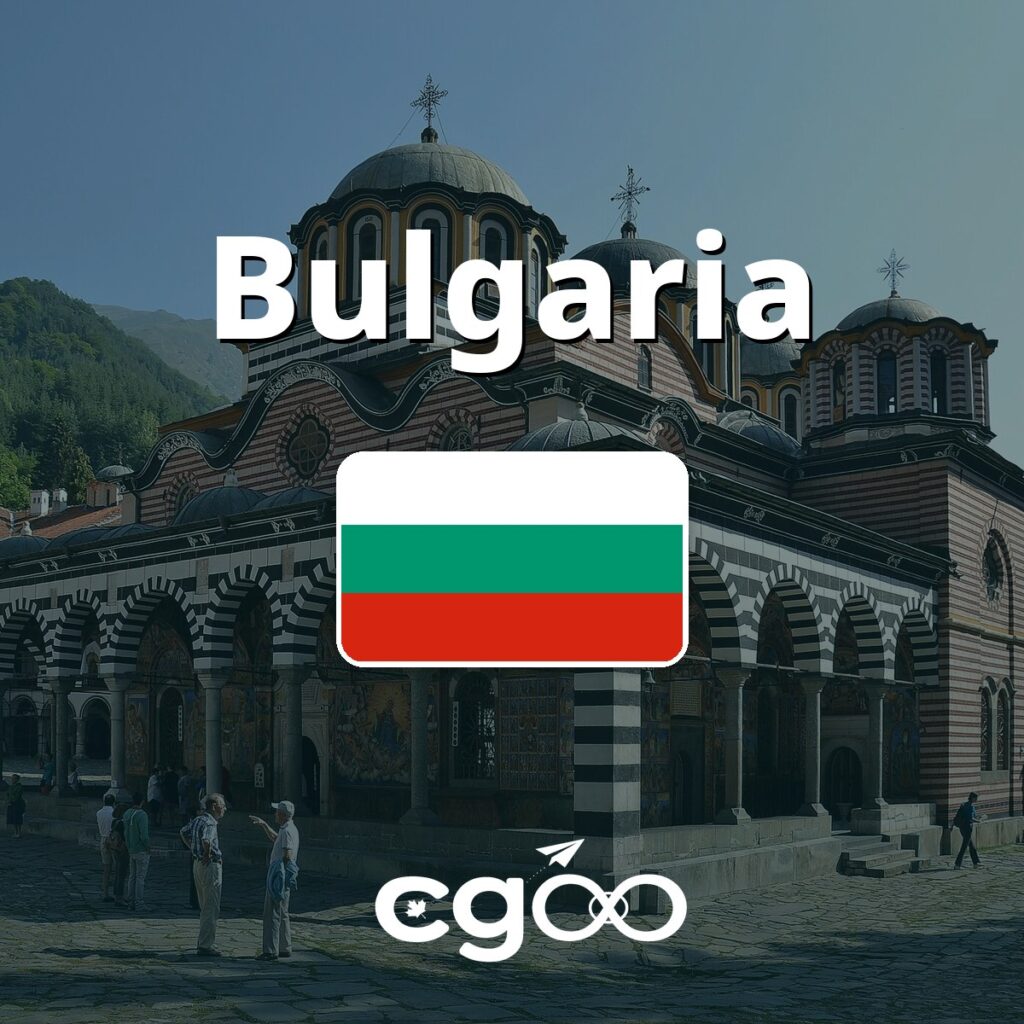
Bulgaria

Bulgaria
Bulgaria🇧🇬

Showing all 31 results

Traveling to Bulgaria? Land Connected.

Bulgaria is one of Europe's best-value surprises: a capital of domes and Roman ruins, a second city of layered history, a mountain monastery, and a Black Sea coast — all within a few hours of each other. With data from touchdown, you can navigate Sofia's metro, book mountain transport and translate menus from the moment you land.

Choose the Plan That Fits Your Trip

  • Fixed data or unlimited: pick from the plan grid above by trip length and data use — fixed-data plans for maps, messaging and light browsing, unlimited plans for heavy video, navigation and hotspot use.
  • Instant delivery: your QR code and installation link are emailed within minutes of checkout. Install before your flight; validity starts on the day you activate.
  • Good to know: your phone must support eSIM (dial *#06# and look for an EID), and your 15-digit IMEI is required at checkout so your eSIM can be provisioned.

Travel Highlights

  • Sofia: Alexander Nevsky Cathedral, the Roman ruins under the city centre, and Vitosha mountain on the doorstep.
  • Plovdiv: one of Europe's oldest continuously inhabited cities, with a Roman theatre, painted old-town houses and the Kapana arts quarter.
  • Rila Monastery: the mountain monastery in the Rila range, a UNESCO site and the country's most visited landmark.
  • Nessebar: the old town on a Black Sea peninsula, with Byzantine churches and a long beach next door at Sunny Beach.
  • Veliko Tarnovo: the fortress town of Tsarevets above the Yantra river bend, once the capital of the Second Bulgarian Empire.

Getting Around

  • Airport to the city: from Sofia Airport (SOF), the metro runs into the city centre, and the official taxi desk in arrivals issues a slip with your taxi number and driver details. Use it rather than accepting offers in the terminal.
  • City transport: Sofia has a metro, trams and buses; Plovdiv, Varna and Burgas run city buses. Buy tickets at stations, kiosks or in the transit app before you travel.
  • Ride-hailing — no: Uber and Bolt do not operate in Bulgaria. Use licensed metered taxis, the official airport taxi desk, or local taxi apps such as TaxiMe and Yellow, and always check the meter is running.
  • Trains and buses: Bulgarian State Railways (BDZ) connects major cities, and intercity buses run frequently between Sofia, Plovdiv, Varna and Burgas.

Safety and Practical Tips

Bulgaria is generally safe for travelers. The main risks are pickpockets around Sofia stations and tourist areas, and taxi overcharging — insist on the meter, use the official airport desk, and avoid unmarked cars.

Mountain weather can change fast, and winter roads in the Balkan and Rila ranges need care. Check forecasts before a mountain trip, and carry layers and water on hikes.

Entry and Visa

Visa rules depend on your passport. Bulgaria is in Schengen: many passports enter visa-free for up to 90 days in any 180-day period, while other nationalities need a Schengen short-stay visa applied for before travel. Check the latest requirements for your passport before you book, and make sure your passport is valid for at least three months beyond your planned departure from the Schengen area.

Official information: Travel to Europe (EU) and the Bulgarian Foreign Ministry.

Weather and Climate

  • Continental, milder on the coast: Sofia averages around 0°C in January and around 22°C in July; the Black Sea coast is warmer in winter and breezier in summer, and the mountains are colder and snowier.
  • Best months: May to September are generally best for cities and the coast, with June and September quieter than July and August. December to March are the ski months in Bansko, Borovets and Pamporovo.
  • What to pack: layers all year, plus a light waterproof jacket and comfortable walking shoes — old-town streets are cobbled. Summer: light clothes, sunscreen and a hat. Winter: a warm coat and sturdy footwear for snow.

Money and Payments

  • Currency and cards: euros (EUR) — Bulgaria adopted the euro on 1 January 2026. Cards are widely accepted in city shops, restaurants and hotels; contactless is common. Keep some cash for markets, small towns and mountain huts.
  • WISE and similar travel cards — yes, supported: the Wise card works in Bulgaria wherever Visa or Mastercard is accepted, and a Wise EUR balance means you spend euros without converting each time.
  • Tipping: rounding up is common in Bulgaria, and 5–10% for good restaurant service is appreciated. Taxi drivers are usually tipped by rounding up the metered fare.
  • Cash tips: use ATMs in town rather than airport exchange counters, which usually give worse rates, and always choose to pay in euros (local currency) if a terminal or ATM offers to convert to your home currency.