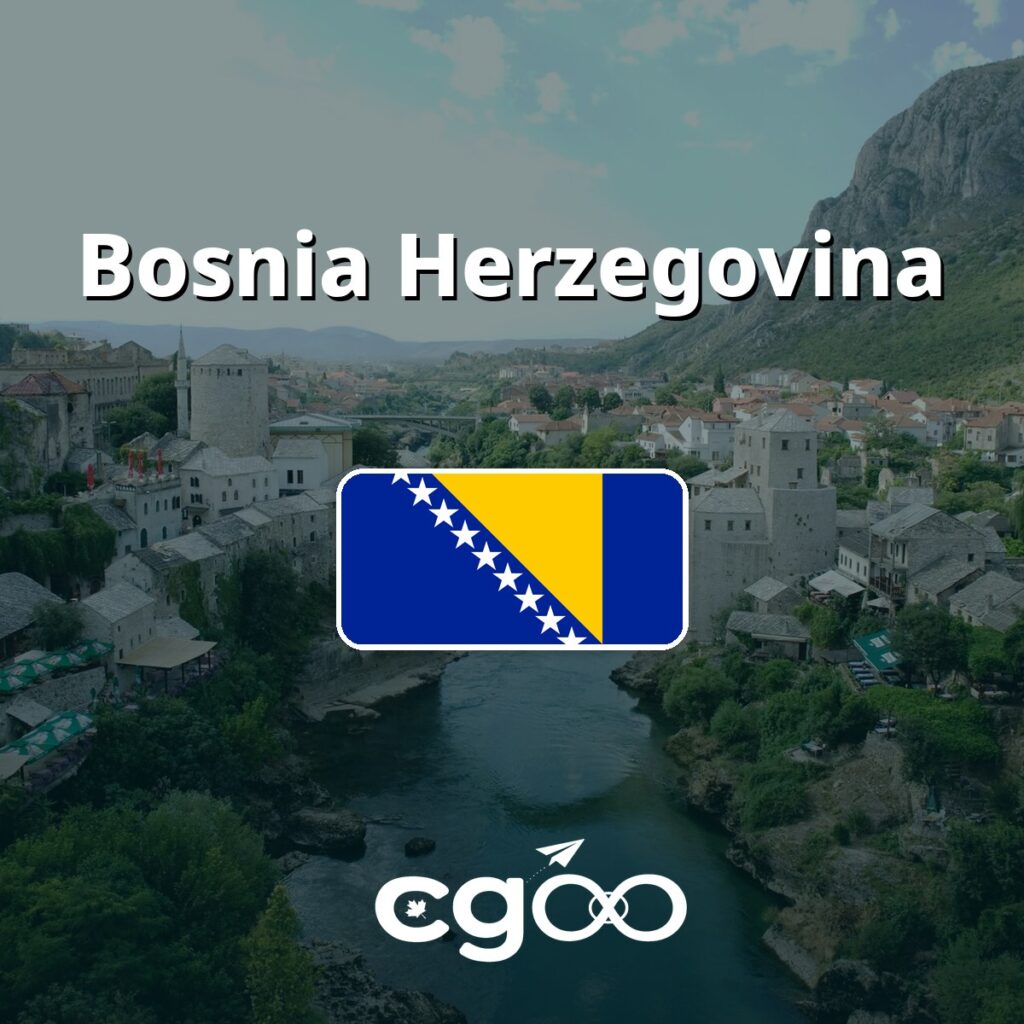
Bosnia Herzegovina

Bosnia Herzegovina
Bosnia Herzegovina🇧🇦

Showing all 31 results

Traveling to Bosnia Herzegovina? Land Connected.

Bosnia and Herzegovina packs Ottoman bazaars, Austro-Hungarian streets, a famous old bridge and mountain rivers into one compact country. Sarajevo and Mostar are a scenic train ride apart, and your phone becomes map, translator and timetable between them — all easier with data from the moment you land.

Choose the Plan That Fits Your Trip

  • Fixed data or unlimited: pick from the plan grid above by trip length and data use — fixed-data plans for maps, messaging and light browsing, unlimited plans for heavy video, navigation and hotspot use.
  • Instant delivery: your QR code and installation link are emailed within minutes of checkout. Install before your flight; validity starts on the day you activate.
  • Good to know: your phone must support eSIM (dial *#06# and look for an EID), and your 15-digit IMEI is required at checkout so your eSIM can be provisioned.

Travel Highlights

  • Mostar: the rebuilt Stari Most (Old Bridge) over the Neretva, the old town lanes, and divers jumping from the bridge in summer.
  • Sarajevo: the Baščaršija bazaar quarter, the Latin Bridge, and the meeting of Ottoman and Austro-Hungarian streets.
  • Blagaj: the Dervish house (Tekke) at the cliff-foot spring of the Buna river, a short drive from Mostar.
  • Kravica waterfalls: a wide, swimmable cascade on the Trebižat river, best in late spring and early summer.
  • Višegrad: the Mehmed Paša Sokolović Bridge over the Drina, a UNESCO-listed Ottoman bridge in the east of the country.

Getting Around

  • Airport to the city: from Sarajevo Airport (SJJ), taxis and buses run into the city centre; agree the fare or check the meter before you set off.
  • Trains and buses: the Sarajevo–Mostar train is a scenic run along the Neretva, and buses link most towns. Check timetables in advance, as services are less frequent on Sundays.
  • Ride-hailing — no: Uber does not operate in Bosnia and Herzegovina, and Bolt is not available either. Use licensed taxis booked by phone or from ranks, and confirm the meter is running.
  • Driving: mountain roads are winding and can be slow in winter. Check whether your licence needs an International Driving Permit before you arrive, and keep to main roads in remote areas.

Safety and Practical Tips

Bosnia and Herzegovina is generally safe for travelers, and visitors are warmly welcomed. The main risks are pickpockets in busy markets and stations, and taxi overcharging — use licensed taxis and check the meter.

Landmines from the 1990s war remain in some remote rural areas. Never leave marked roads and paths, never enter ruined or fenced-off buildings, and follow local warnings and signs.

Entry and Visa

Visa rules depend on your passport. Many passports enter Bosnia and Herzegovina visa-free for up to 90 days, while other nationalities need a visa applied for before travel. Check the latest requirements for your passport before you book, and make sure your passport is valid for at least three months beyond your planned stay.

Official information: Bosnia and Herzegovina Foreign Ministry.

Weather and Climate

  • Continental inland, Mediterranean in the south: Sarajevo averages around 0°C in January and around 21°C in July; Mostar and Herzegovina are warmer, with hot summers.
  • Best months: May to September are generally best for cities and rivers, with late spring best for waterfalls. December to March suits mountain skiing, and summers in Herzegovina can reach into the high 30s.
  • What to pack: layers all year, plus a light waterproof jacket and comfortable walking shoes — old-town streets are cobbled. Summer: light clothes, sunscreen and a hat. Winter: a warm coat and sturdy footwear.

Money and Payments

  • Currency and cards: convertible marks (BAM), pegged to the euro. Cards are accepted in city hotels, restaurants and larger shops, but cash is essential in smaller towns, markets and rural areas.
  • Tipping: tipping is appreciated but not expected — rounding up is common, and around 10% for good restaurant service is generous.
  • Cash tips: use ATMs in towns rather than airport exchange counters, which usually give worse rates, and always choose to pay in marks (local currency) if a terminal or ATM offers to convert to your home currency.