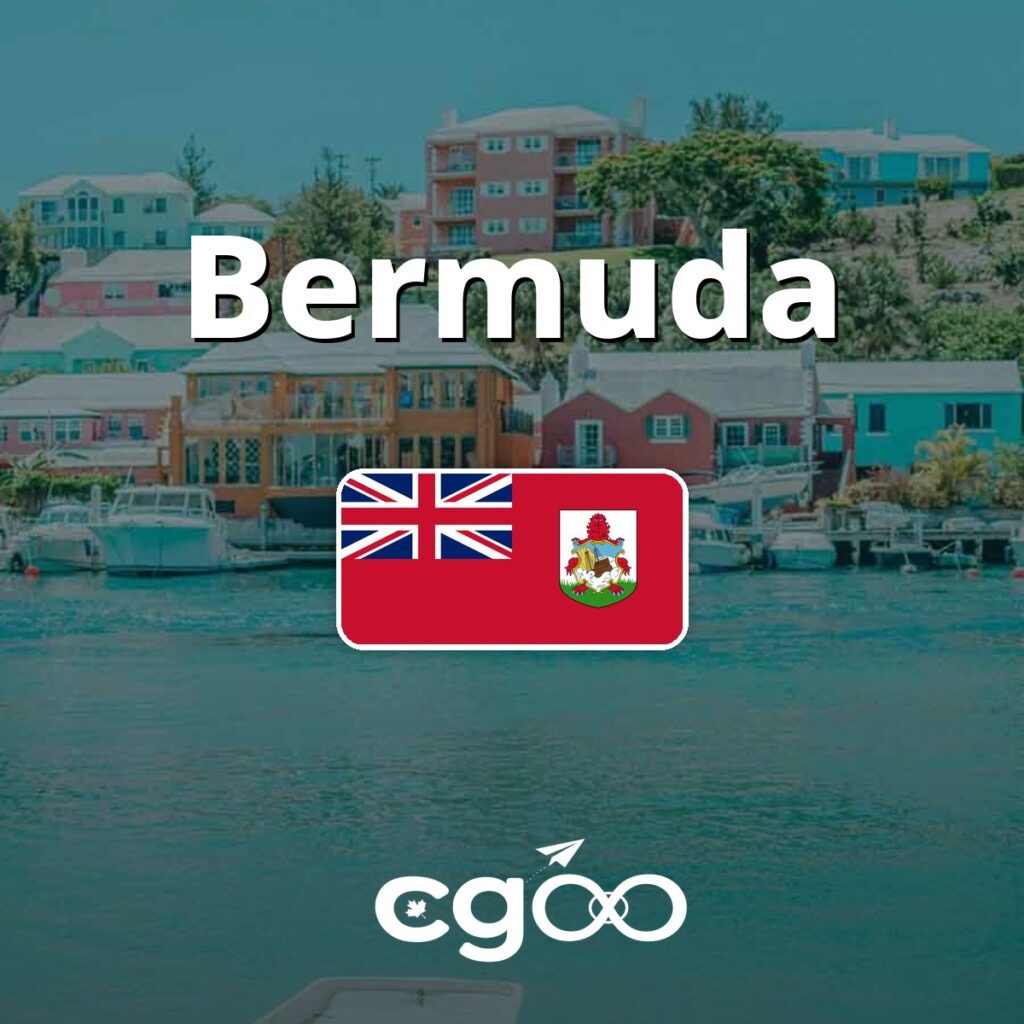
Bermuda

Bermuda
Bermuda🇧🇲

Showing all 28 results

Traveling to Bermuda? Land Connected.

Land at L.F. Wade International Airport, activate your eSIM, and have data before you reach your taxi or shuttle. No airport SIM queue and no waiting for hotel Wi-Fi to sort out buses, ferries, and beach plans. Your connection is ready for Hamilton, the pink-sand beaches, and the historic town of St. George's.

Choose the Plan That Fits Your Trip

  • Short island break: pick a small plan for maps, bus and ferry times, and messaging.
  • Beach and town days: choose a mid-size plan for days split between Hamilton, St. George's, and the south shore beaches.
  • Active trip: add data for Railway Trail walks, cave visits, and full days out without Wi-Fi stops.
  • Longer stay: pick a larger plan so video calls and photo sharing do not eat into a small allowance.
  • Traveling with family: keep one plan per phone so everyone can navigate and stay in touch independently.

Travel Highlights

  • Horseshoe Bay, Bermuda's best-known pink-sand beach on the south shore, with calm coves and dramatic rock formations.
  • The Town of St. George, a UNESCO-listed historic town with narrow lanes, old churches, and harbor views.
  • Crystal Caves, underground limestone caves with clear pools and striking stalactites near the east end of the island.
  • The Royal Naval Dockyard, a former naval base in the west end with museums, shops, restaurants, and dolphin encounters nearby.
  • The Bermuda Railway Trail, an 18-mile walking and cycling route that follows the island's former railway line.

Getting Around

  • Airport to city: taxis and shuttles serve L.F. Wade International Airport, which sits about 10 miles east of Hamilton, and the public bus is the budget option if you are traveling light.
  • City transport: pink buses run toward Hamilton and blue buses run away from Hamilton, and ferries link Hamilton with the Dockyard, Somerset, and St. George's.
  • Ride-hailing: Uber is not available in Bermuda, but HITCH is an app-based taxi service on the island, and metered taxis can also be hailed or booked by phone.
  • Driving note: visitors cannot rent a standard car in Bermuda and must use taxis, buses, ferries, rental scooters, bicycles, or a small two-seat electric microcar, with traffic driving on the left and an island-wide speed limit of 35 km/h.

Safety and Practical Tips

Bermuda is widely regarded as a safe destination, but keep an eye on bags on the beach and avoid carrying large amounts of cash. Healthcare can be expensive, so travel insurance is a smart choice before you go.

If you rent a scooter, ride slowly, wear a helmet, and be extra careful on narrow, winding roads, especially after rain. Pack sun protection for beach days, carry water on long walks such as the Railway Trail, and check the weather during hurricane season before finalizing outdoor plans.

Entry and Visa

Many visitors do not need a Bermuda-issued visa, but visa rules depend on your nationality, so check them before travel and carry a valid passport and proof of return or onward travel. Non-resident visitors arriving by air or private yacht must also complete the free digital Bermuda Arrival Card, while cruise visitors are not required to complete it.

Official information: Government of Bermuda - Visitors.

Weather and Climate

  • Climate zones: Bermuda has a subtropical climate in the North Atlantic, with high humidity in summer and milder, crisper weather in winter.
  • Hamilton normals: summer temperatures are typically in the 80s Fahrenheit, while winter temperatures are typically in the 60s and 70s Fahrenheit.
  • Rain pattern: rain showers occur through the year but often pass quickly, so a short shower rarely ends a beach day.
  • Packing: pack swimwear and sun protection for summer, a light jacket and layers for winter evenings, and a compact rain jacket for passing showers.

Money and Payments

  • Currency: the Bermudian dollar (BMD) is the official currency, pegged 1 to 1 to the US dollar, and US dollars are widely accepted across the island, so most visitors do not need to exchange money before arrival.
  • Card acceptance: Visa and Mastercard are widely accepted in hotels, restaurants, and shops, and many businesses also accept American Express, but carry some cash for buses, taxis, and small purchases.
  • Tipping: a tip of 15 to 20 percent is common for good service in restaurants and taxis, and some restaurants and hotels add a service charge automatically, so check your bill before adding more.
  • Cash tips: keep small bills and coins on hand, since bus drivers do not give change and some taxis prefer cash.