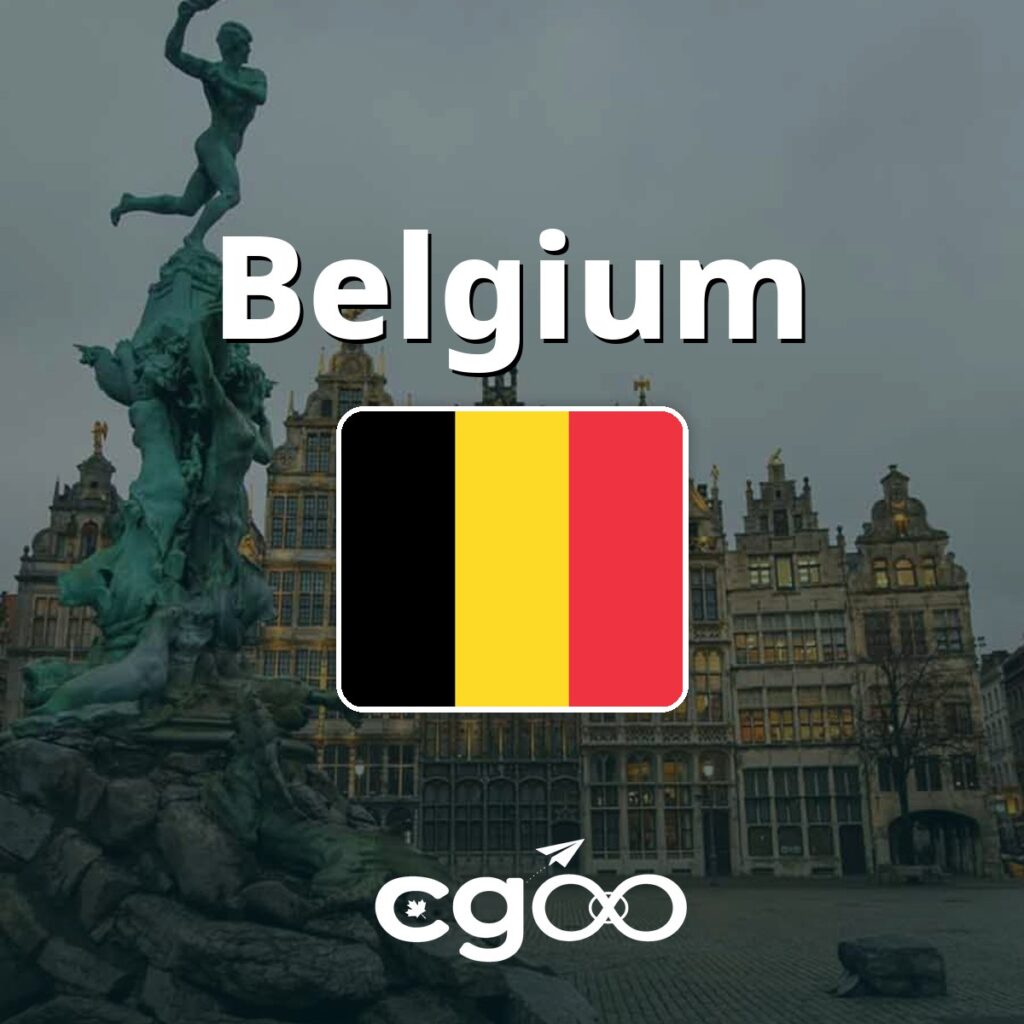
Belgium

Belgium
Belgium🇧🇪

Showing all 31 results

Traveling to Belgium? Land Connected.

Land at Brussels Airport with data already working, so you can check your train into the city, find your hotel, and book a table without hunting for a SIM shop. Your eSIM keeps maps, train times, and messaging online across Brussels, Bruges, Ghent, and Antwerp. It is an easy fit for short city breaks and for multi-city trips by rail.

Choose the Plan That Fits Your Trip

  • Pick a small plan for a short city break in Brussels, with enough data for maps, messaging, and ride bookings.
  • Choose a mid-size plan for a week of city hopping, when you will use train times, navigation, and photo sharing every day.
  • Choose a larger plan for a longer trip or for working on the move, with video calls and regular uploads.
  • Top up if your trip extends, rather than relying on hotel Wi-Fi alone.
  • Activate before departure so your phone connects as soon as you land in Belgium.

Travel Highlights

  • Grand Place in Brussels: an ornate central square lined with guildhalls, the Town Hall, and cafes.
  • The Atomium in Brussels: a landmark structure built for the 1958 World's Fair, with exhibition spaces and city views.
  • Bruges: a canal city with medieval streets, a market square, a belfry, and boat trips along the canals.
  • Ghent: a lively university city with the Gravensteen castle, canals, and a historic waterfront.
  • Antwerp: a port city known for its cathedral, fashion, diamond trade, and grand central station.

Getting Around

  • From Brussels Airport to central Brussels, take a direct train to Brussels Central, Brussels North, or Brussels South, or use an app-booked ride.
  • In Brussels, the metro, trams, and buses cover the city, and frequent trains link Brussels with Bruges, Ghent, Antwerp, and other cities.
  • Yes, ride-hailing operates in Belgium: Uber and Bolt operate in Brussels and other major cities, and FREE NOW connects riders with licensed taxi drivers.
  • Driving note: Belgium drives on the right, and parking in historic city centers can be tight, so trains and city transport are often easier than a car.

Safety and Practical Tips

Keep bags close and valuables out of easy reach in busy stations, on crowded trams, and around major tourist squares, where pickpockets operate. Use official taxi stands or app-booked rides late at night rather than accepting rides from unmarked cars.

Belgium is compact and easy to explore by train, but check train times before evening trips, as services thin out late at night. Rain is possible in any season, so a compact umbrella or rain jacket is worth packing.

Entry and Visa

Belgium is in the Schengen Area: many nationalities, including citizens of the United States, the United Kingdom, and Canada, can visit visa-free for up to 90 days in any 180-day period. Travelers who are not visa-exempt need a short-stay Schengen visa (type C) before travel, applied for through Belgium as the main destination when visiting more than one Schengen country.

Official information: FPS Foreign Affairs Belgium.

Weather and Climate

  • Belgium has a temperate maritime climate, with mild summers, cool winters, and rain possible throughout the year.
  • Summers are generally mild and pleasant for city walking, while winters are cool and damp rather than severely cold in most years.
  • The most comfortable months for sightseeing are generally late spring through early autumn, when days are longer and outdoor cafes are busiest.
  • Pack layers and a rain jacket in every season, plus comfortable walking shoes for cobblestones and city streets.

Money and Payments

  • The currency is the euro (EUR), and cards are widely accepted in hotels, restaurants, shops, and on public transport in major cities.
  • Contactless card payments in Belgium do not require a PIN for purchases of 50 euros or less, with a PIN requested for larger amounts or after a series of contactless payments.
  • A Wise EUR balance works in Belgium for euro spending, which can be a convenient way to pay without carrying large amounts of cash.
  • Tipping: service is often included in restaurant bills, so rounding up or leaving a small extra amount for good service is common rather than expected.