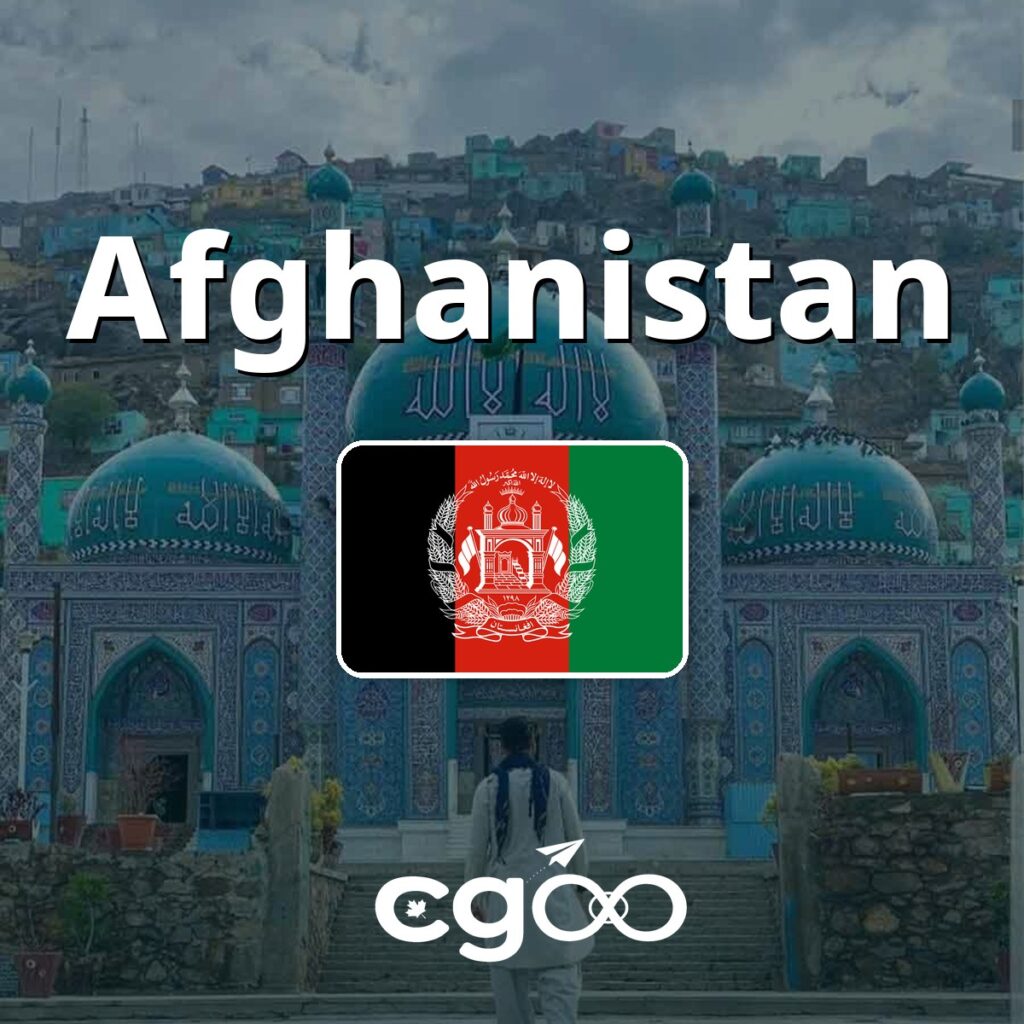
Afghanistan

Afghanistan
Afghanistan🇦🇫

Showing all 7 results

Traveling to Afghanistan? Land Connected.

Install your eSIM before you fly so your phone can connect as soon as you reach Hamid Karzai International Airport in Kabul. Local SIM registration requires a passport and in-person checks, so arriving with data already set up saves time at the airport. Keep your home number live on your primary SIM for messages and verification codes while you use the eSIM for data.

Choose the Plan That Fits Your Trip

  • Pick a small plan for a short stay focused on messaging, maps and check-ins with your team or family.
  • Choose a larger plan for a multi-week assignment with daily calls, document sharing and navigation.
  • Choose the longest validity available if your dates could shift, so your data does not run out mid-trip.
  • Download offline maps and essential documents while you are in a city, since coverage becomes patchy outside urban areas.
  • Keep your home SIM active for two-factor codes and calls, and use the eSIM for local data.

Travel Highlights

  • Kabul - The Gardens of Babur, a historic walled garden and the resting place of the first Mughal emperor Babur.
  • Bamiyan - The valley known for the large Buddha niches carved into the cliffs, a UNESCO World Heritage site.
  • Herat - The Herat Citadel, a historic fortress that has stood over the old city for centuries.
  • Band-e Amir - A chain of deep blue lakes in the mountains, Afghanistan's first national park.
  • Mazar-i-Sharif - The Shrine of Hazrat Ali, known as the Blue Mosque for its blue-tiled exterior.

Getting Around

  • Airport to city: Use a pre-arranged driver through your hotel or organization from Hamid Karzai International Airport in Kabul, and agree on the plan before you land.
  • City transport: Licensed taxis are the usual way to get around cities; confirm the fare and destination before you set off.
  • Ride-hailing: No, do not count on Uber or Bolt in Afghanistan; use licensed taxis or a driver arranged by your hotel or organization.
  • Driving: Do not self-drive as a visitor; road conditions, checkpoints and security risks make a local driver the safer choice.

Safety and Practical Tips

Afghanistan carries a Level 4 Do Not Travel advisory from the U.S. Department of State, citing terrorism, kidnapping, wrongful detention, crime and civil unrest. The U.S. Embassy in Kabul suspended operations in 2021, so routine and emergency consular services are not available inside the country.

Anyone who must travel should check the latest official advisory before departure, travel with a trusted local contact or organization, keep documents and a charged phone close at hand, and have a contingency plan that does not rely on government evacuation. Standard travel insurance commonly excludes Level 4 destinations, so check coverage carefully before you go.

Entry and Visa

Most visitors need a visa before arrival, obtained through an Afghan mission abroad, and visa rules can change at short notice. Check the latest official advisory and entry requirements for your nationality before you book, and carry your passport and visa with you.

Official information: U.S. Department of State Travel Advisories.

Weather and Climate

  • Climate zones: Afghanistan is arid to semiarid overall, with cold winters and hot summers, and much colder conditions in the high mountains than in the lowlands.
  • Kabul normals: Kabul sits at high altitude, with a January mean near minus 3 degrees Celsius and a July mean near 23 to 26 degrees Celsius, and winter nights can fall well below freezing.
  • Rainfall: Precipitation is concentrated in winter and spring, often as snow in Kabul, while summers are very dry, so pack for a wide temperature swing between day and night.
  • Best months and packing: Spring and autumn are the most comfortable seasons for travel; pack warm layers for winter, sun protection and light clothing for summer, and sturdy shoes for uneven ground.

Money and Payments

  • Currency: The afghani (AFN) is the local currency; carry cash in afghanis for everyday spending.
  • Card acceptance: Do not rely on cards, especially outside Kabul and major hotels; cash is the safer way to pay.
  • Tipping: Tipping is not expected at restaurants and other service businesses in Afghanistan.
  • Multi-currency cards: Wise availability for Afghanistan is limited, so do not plan around a Wise afghani balance; carry cash instead.